
Overview
The Women and Energy Diplomacy Leadership Program (WEDL) is a two-week program designed for high-level executive female leaders by the IWP Center for Energy Security and Diplomacy and implemented for female executive leaders in Saudi Arabia, in collaboration with the Women and Energy Initiative (WE). The first week of the program was implemented in Riyadh from 16-20 February 2025, and the second week will take place in Washington, D.C.
 Saudi Energy Minister, HRH Prince Abdulaziz Bin Salman Al Saud
The first three days of the program focused on intensive coursework at the KAPSARC School of Public Policy (KSPP), designed to establish a solid foundation in energy diplomacy. Participants engaged in interactive lectures, case studies, and discussions covering key topics such as energy markets, geopolitical influences, and policy frameworks. Guest speakers on the second and third days brought valuable insights, enriching the learning experience. Participants actively engaged in these sessions, raising critical questions and discussing real-time policy challenges.
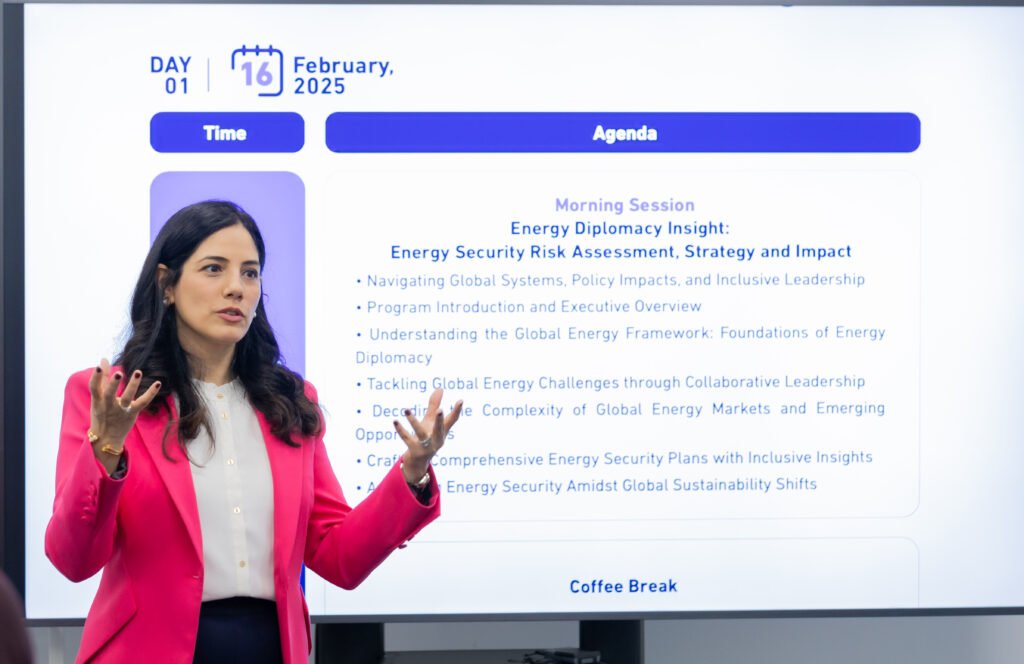 Dr. Sara Vakhshouri speaking at WEDL
 WEDL 2025
Guest Speaker Highlights; Wisdom from Industry Leaders
Guest speaker sessions were held on the second and third days, featuring distinguished experts who provided valuable insights.
On the second day, Dr. Anwar Matawa delivered a session on Executive Mastery: Cross-Cultural Communication in Global Leadership. This session emphasized the role of effective communication in international diplomacy and business, equipping participants with the skills to navigate diverse global energy markets and negotiations.
 Dr. Anwar Matawa
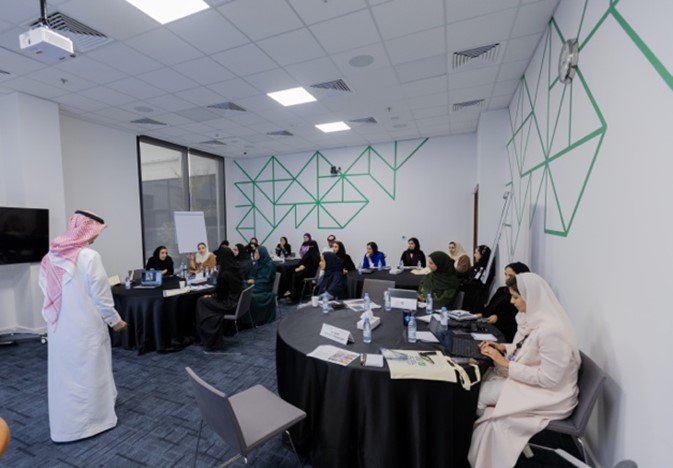
On the third day, H.H. Princess Mashael Alshalan led an Executive Roundtable titled “From Vision to Impact: Personal Reflections on Leadership, Challenges, and Transformation.” This session provided an inspiring perspective on leadership in the energy sector, personal challenges, and driving meaningful transformation. Participants engaged deeply, asking insightful questions and reflecting on their own leadership journeys.
 H.H. Princess Mashael Alshalan discussing “From Vision to Impact: Personal Reflections on Leadership, Challenges, and Transformation.”
 Dr. Sara Vakhshouri and H.H. Princess Mashael Alshalan
These sessions were well-received, with high participation and engagement from the attendees. The interactive nature of these discussions further enriched the learning experience, allowing participants to gain practical knowledge and perspectives from industry leaders.
Real-World Energy Engagement at IEF; Bridging Theory with Global Policy
On the fourth day, participants attended the 15th IEF-OPEC-IEA Symposium, which provided them with a unique opportunity to engage with global energy leaders, policymakers, and industry experts. This session allowed them to apply their newly acquired knowledge and actively participate in discussions on energy markets, policy frameworks, and global energy security.
Additionally, participants joined the IEF Thought Leaders Workshop on Fuel Sustainability, where they explored key sustainability challenges and innovations in the energy transition. This workshop reinforced the importance of energy diplomacy and broadened their understanding of emerging trends in the industry.
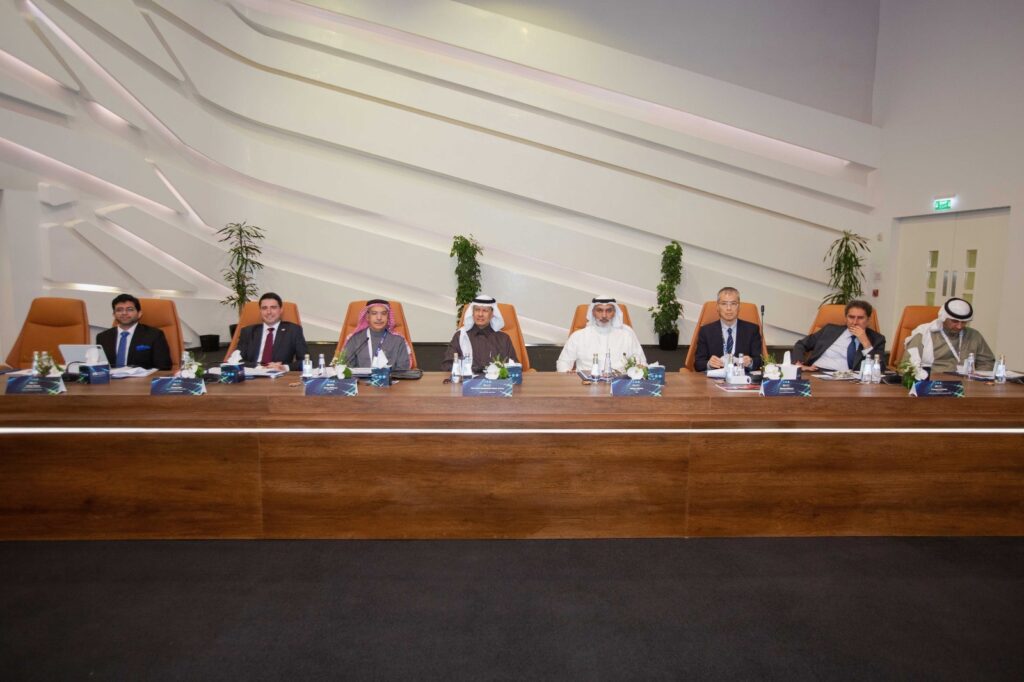
 IEF-OPEC-IEA Symposium
 IEF-OPEC-IEA Symposium
On the final day, some participants attended an optional IEF workshop on Fuel Sustainability at the IEF headquarter in the morning. In the afternoon, all participants attended the wrap-up session at the Ministry of Energy. This session included a meeting with environmental negotiators at the Ministry of Energy (MOE) and visits to multiple sections of the ministry, providing participants with valuable exposure to energy policy and governance. These real-world experiences were particularly important in bridging the course content with practical applications. Participants found these engagements highly beneficial, as they allowed them to witness firsthand how energy diplomacy operates in practice.