IWP scholar-practitioners teach all the arts of statecraft in a setting that encourages discussion and debate and thoroughly prepares students for career success.
IWP’s graduate school offers nine master’s degrees with a curriculum that includes statecraft, history, American political philosophy, the Western moral tradition, economics, and moral leadership.
The graduate school faculty are experts from the national security and international relations fields, scholar-practitioners with both academic credentials and high-level experience.
Our graduate school’s student body includes recent graduates and a mix of mid-career professionals whose various perspectives enrich the classroom experience.
National security is the highest public policy priority and is achieved by teaching future leaders all the instruments of power. Supporting IWP makes this possible.
IWP students become leaders in the national security and foreign policy fields through the study of all the instruments of power, and 91% earn jobs or pursue further education in their field.
This course introduces the field of international relations in a way that blends issues of theory and practice. It is designed to give students an understanding of those questions of international relations theory that have a direct bearing on the ability of policy practitioners to
John Lenczowski, Ph.D., James S. Robbins, Ph.D., John Callahan, Ph.D.
This course examines the theory and practice of strategy, the use of force and other instruments of power to achieve the goals of the state in the international system. We first look at the theorists of strategy and war, e.g. Sun Tzu, Clausewitz, Jomini, Mahan,
Christopher C. Harmon, Ph.D., John Callahan, Ph.D.
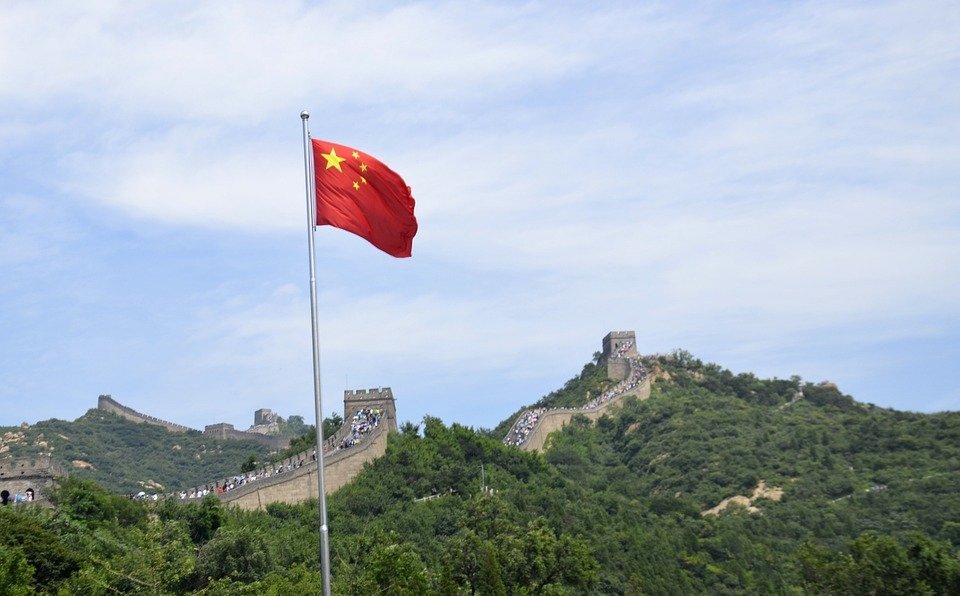
IWP 630 4 Credits The purpose of this course is to provide students with an understanding of contemporary Chinese grand strategy. The course examines traditional Chinese strategic culture and statecraft, including the classic work of Sun Tzu. The emergence of a new Chinese grand strategy
The goal of this course is to prepare the student to recognize and analyze the use of foreign disinformation and propaganda to affect U.S. perceptions and policy formation, and to employ countermeasures against them.
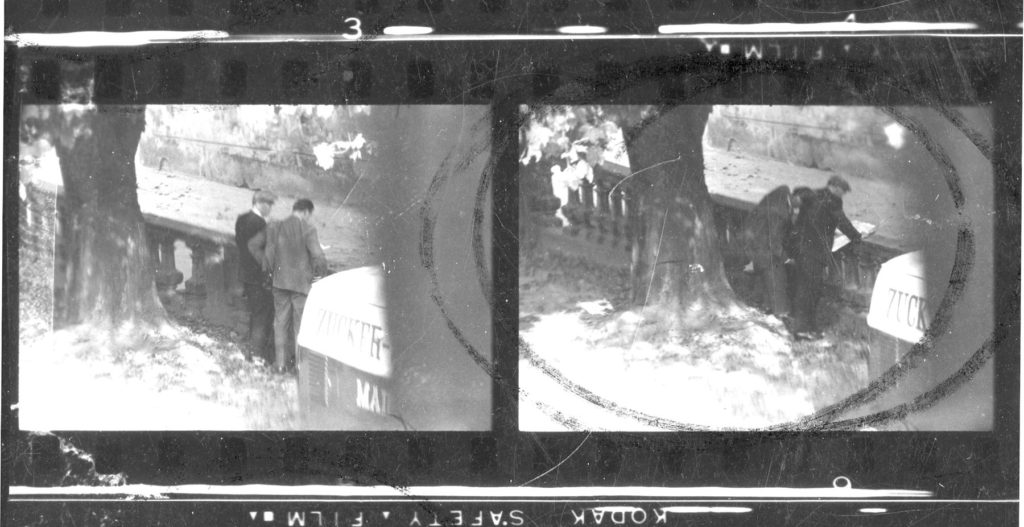
Secret intelligence is the "missing dimension" of Cold War history, as it is of most diplomatic history. This course analyzes a selective history of the U.S. intelligence community in the Cold War in order to assess its overall role. On the basis of declassified intelligence
This eight-week seminar (two credits) demonstrates the importance of geography to international politics, economics, national security, and strategy. It introduces students to the geographic and geopolitical factors that have shaped the field of world politics.
This course surveys the record of American foreign policy from the beginnings to the present day, including the war on terrorism and speculations on the future of world order. Each section will discuss the thematic features which characterized foreign policy for succeeding time periods, including
Timothy McCranor, Ph.D., Wayne A. Schroeder, Ph.D.
This course introduces students to the art of diplomacy in the Western tradition, with an emphasis on the modern American experience. It examines the development of the traditional art of diplomacy over time and how technology, communications, and ideology have affected both the authority of
Ambassador G. Philip Hughes, Ambassador David Hale
This course examines the history, theories, and methodologies of public diplomacy and strategic influence since the end of World War II. The objective of the course is to help prepare the student to integrate public diplomacy and strategic influence with other tools - traditional diplomacy,
David Glancy, Ph.D., Caitlin E. Schindler, Ph.D., Vangala Ram
Following a brief overview of the developments in Africa, sub-Sahara from the Berlin Conference of 1878 to the commencement of the independence movement in the 1950s, the focus of the course will be the contemporary political situation.
The objective of this course is to prepare the student to master the basic knowledge of political and psychological warfare as instruments of leadership and statecraft from antiquity to the present, and with an eye toward the future.